 0
0
 0
0
Sleeping with wet hair isn’t the health hazard many people imagine — but it isn’t entirely harmless either. The science shows a mix of persistent myths, partial truths, and real but limited risks. Below is a clear, journalistically structured feature article that separates fact from fiction while keeping the tone accessible and evidence‑based.
For generations, parents have warned their children not to go to bed with wet hair. The reasons vary — from catching a cold to damaging the scalp — and the warnings have become so common that many people accept them as unquestioned truth. But what does science actually say about this everyday habit? Researchers and dermatologists offer a more nuanced picture: some concerns are exaggerated, others are grounded in biology, and a few unexpected effects are worth knowing.
Myth 1: “Sleeping with wet hair causes colds.”
Verdict: False.
Colds are caused by viruses, not by temperature or moisture. Going to bed with wet hair does not make you sick in itself. However, being cold can slightly weaken the body’s immune response, making you more susceptible to viruses already present in your environment.
- Common cold viruses — rhinoviruses and coronaviruses — spread through droplets and surfaces, not damp hair.
- Feeling chilled may increase discomfort, but it doesn’t create illness on its own.
Bottom line: Wet hair doesn’t cause infections, but a cold bedroom and a weakened immune system can make you more vulnerable.
Myth 2: “Wet hair damages the scalp.”
Verdict: Mostly false.
There is no evidence that sleeping with wet hair harms the scalp or causes dandruff. Dandruff is linked to yeast overgrowth, genetics, and skin sensitivity, not moisture from hair.
However, dermatologists note one exception:
- Fungal growth can thrive in warm, damp environments.
- If you sleep with very wet hair on a consistently damp pillow, this may contribute to irritation or mild fungal issues over time.
This is rare and usually only a concern for people with pre‑existing scalp conditions.
Fact 1: Wet hair is more fragile — and breakage is real.
Verdict: True.
Hair is at its weakest when wet. The cuticle — the protective outer layer — swells and becomes more vulnerable to friction.
- Tossing and turning at night increases mechanical stress.
- Cotton pillowcases create more friction than silk or satin.
- Repeated stress can lead to split ends, frizz, and hair breakage.
This is the most scientifically supported downside of sleeping with wet hair.
Fact 2: Wet hair can affect sleep quality.
Verdict: True, but indirect.
Moisture cools the scalp, which can make falling asleep harder for some people. Others report waking up due to feeling cold or uncomfortable.
- A damp pillow can also develop musty odors over time.
- Moisture trapped in bedding may contribute to dust mite growth, a concern for people with allergies.
These effects don’t harm health directly but can influence comfort and sleep hygiene.
Myth 3: “Sleeping with wet hair causes headaches.”
Verdict: Partially true — but not for the reasons people think.
Cold temperatures can cause blood vessels in the scalp to constrict, which may trigger tension headaches in sensitive individuals. This is not dangerous, but it can be unpleasant.
- The headache is caused by temperature changes, not by the wet hair itself.
- People prone to migraines or tension headaches may notice stronger effects.
Fact 3: Wet hair can change its shape overnight.
Verdict: True — and sometimes useful.
Moisture makes hair more moldable. Sleeping with wet hair can lead to:
- Unpredictable waves or kinks
- Flattened roots
- “Bedhead” that’s harder to style in the morning
But some people use this to their advantage:
- Heatless curls
- Overnight braids for natural waves
- Moisture‑based styling techniques
This is a harmless effect — just a cosmetic one.
How to Reduce Risks if You Prefer Sleeping With Wet Hair
If your schedule or routine means you often go to bed with damp hair, experts recommend a few simple adjustments:
- Microfiber towels — absorb more water without friction.
- Leave‑in conditioners — protect the cuticle and reduce breakage.
- Silk pillowcases — minimize friction and frizz.
- Loose braids — keep hair contained and reduce tangling.
- Ensure your bedroom isn’t too cold — helps avoid tension headaches.
These steps don’t eliminate all risks, but they significantly reduce them.
Conclusion: A Habit That’s Mostly Harmless — With a Few Caveats
Sleeping with wet hair won’t make you sick, won’t damage your scalp, and won’t cause serious health problems. But it can lead to:
- Increased hair breakage
- Uncomfortable sleep
- Occasional tension headaches
- Damp pillows that may irritate sensitive skin
For most people, the biggest concern is hair health, not overall health. If you want to protect your hair, letting it dry at least partially before bed is the best approach.
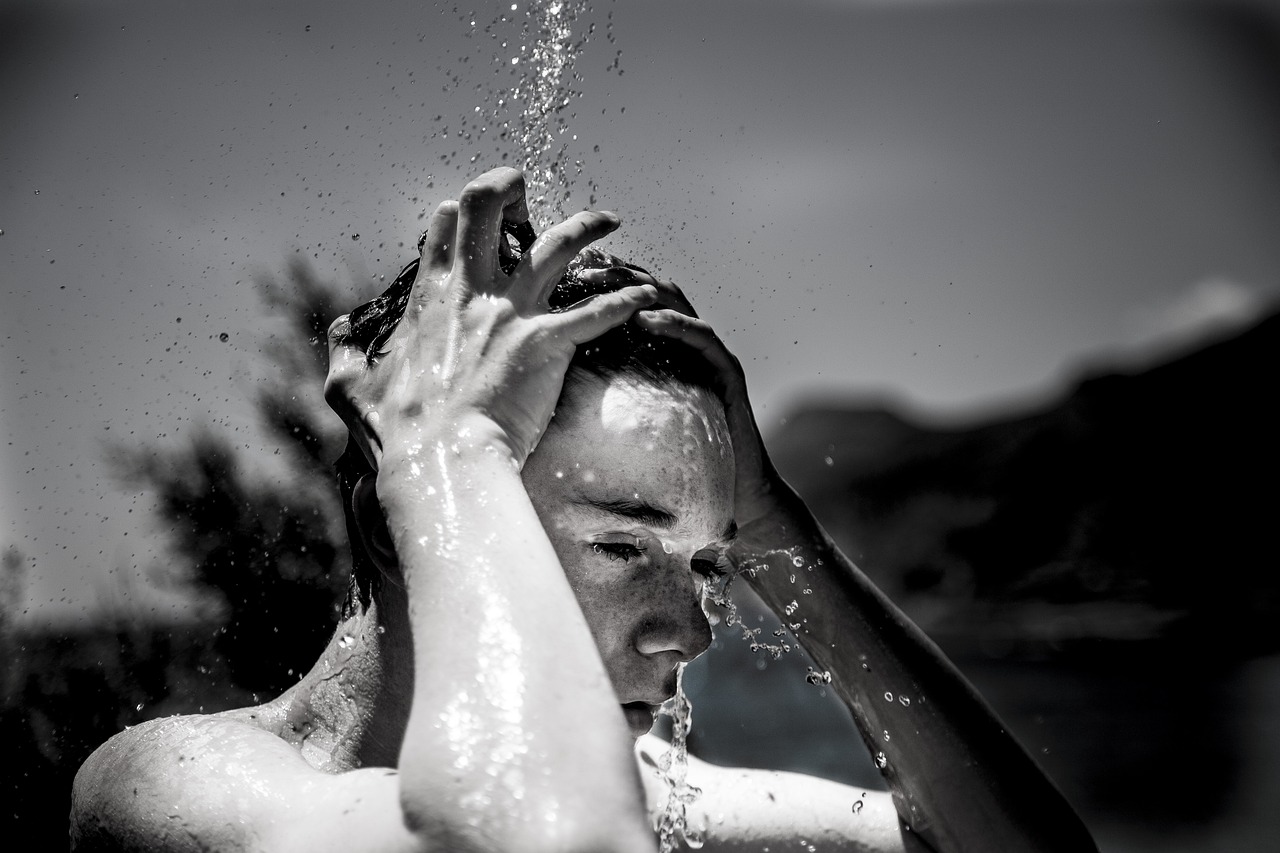
- Hector Pascua/picture: Image by giselaatje from Pixabay



This post has already been read 5744 times!